

What do a concussion, a global pandemic simulation and a pair of shoes have in common?
In this episode, Nathy Gaffney sits down with Phuel’s Meaghan Archandi, marking 10 years with the business, to unpack urgent optimism: a mindset that pairs realistic hope with the urgency to actually act on it. The term comes from game designer and researcher Jane McGonigal, who developed it after a severe concussion left her searching for a way through debilitating negative thought patterns.
Meaghan is clear that urgency isn’t the enemy here. Most people hear urgency and think stress, but she reframes it as the spark that gets the brain moving toward action rather than spiralling into anxiety. Optimism isn’t rose coloured either: it’s realistic hope grounded in what’s actually possible, not blind positivity.
The conversation gets genuinely fascinating when Meaghan describes McGonigal’s 2008 game Superstruct, where thousands of players imagined themselves a decade into the future navigating a respiratory pandemic, climate catastrophe and rising political division. A decade later those scenarios played out almost exactly, and the players who’d rehearsed them reported feeling far more prepared than everyone else. It’s a striking case for curiosity and scenario thinking as genuine organisational capability, not just a thought experiment.
Meaghan shares how Phuel lived this firsthand when COVID wiped out 100% of the business’s revenue in two weeks. Facing that reality with urgency and hope, rather than panic or denial, is what she credits with getting the team through it.
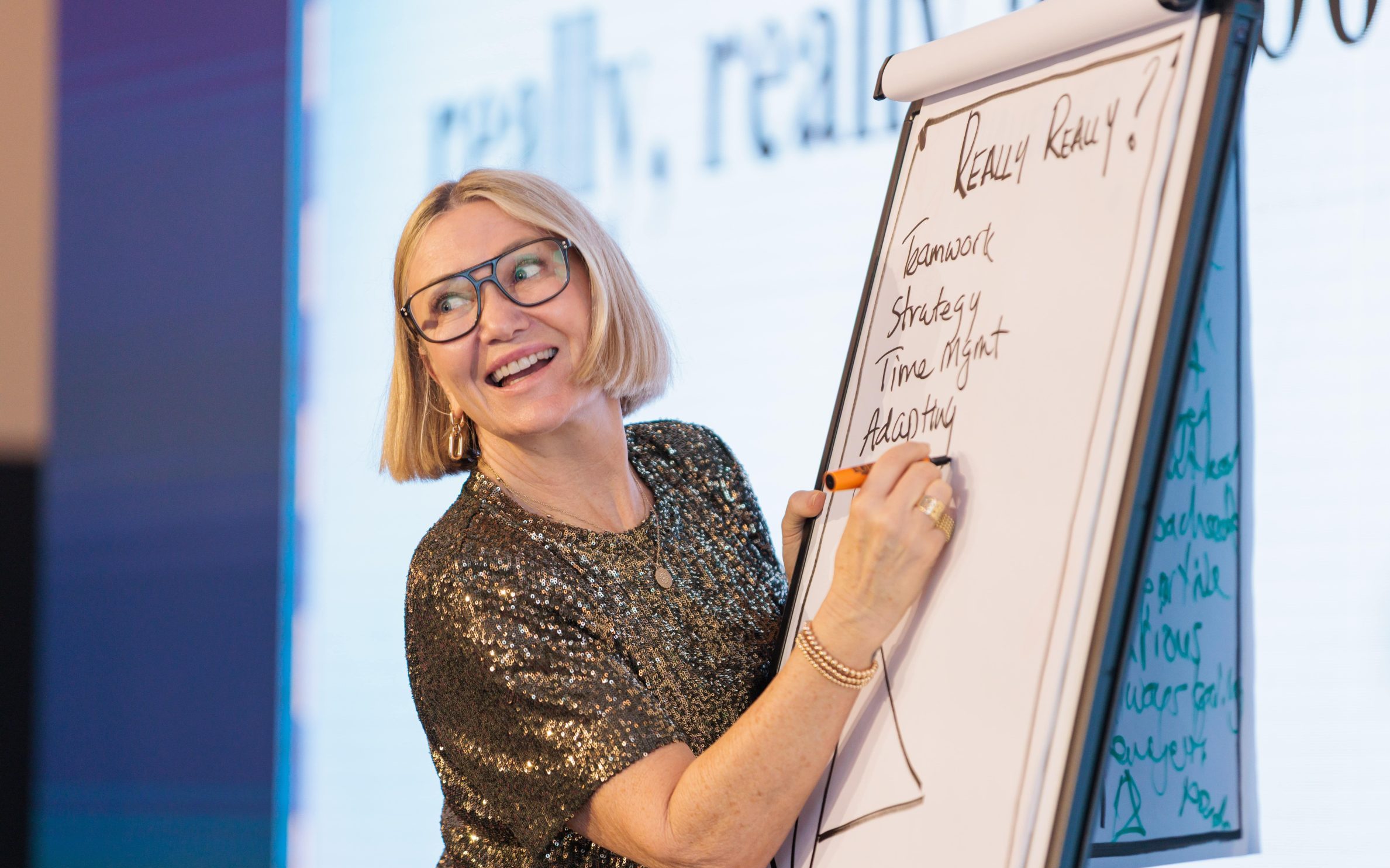
The back half of the episode gets practical. Meaghan walks through the three levers McGonigal points to: mental flexibility, realistic hope and identifying your own future power, the specific skills you personally bring to a challenge. She also shares a workshop exercise called flipping the facts, where teams take something mundane, like shoes always being worn on feet, and deliberately imagine its opposite to loosen up creative and strategic thinking.
Throughout, Meaghan keeps circling back to the same foundation: psychological safety and trust are what make this kind of thinking possible at all. Without permission to imagine and be wrong, nobody takes the leap.
This episode is worth your time if you’re thinking about how to build resilience and creative problem solving into your team, not just talk about wanting it.
